Exploring the Future of Cryptocurrency: Trends and Innovations
The world of cryptocurrency is continuously evolving, driven by technological advancements and changing consumer preferences. As digital currencies gain traction, it’s essential to explore the latest trends shaping this dynamic sector and the innovations that promise to redefine the financial landscape. This article delves into the key developments in cryptocurrency, from decentralized finance to the rise of stablecoins, and their implications for the future of money.
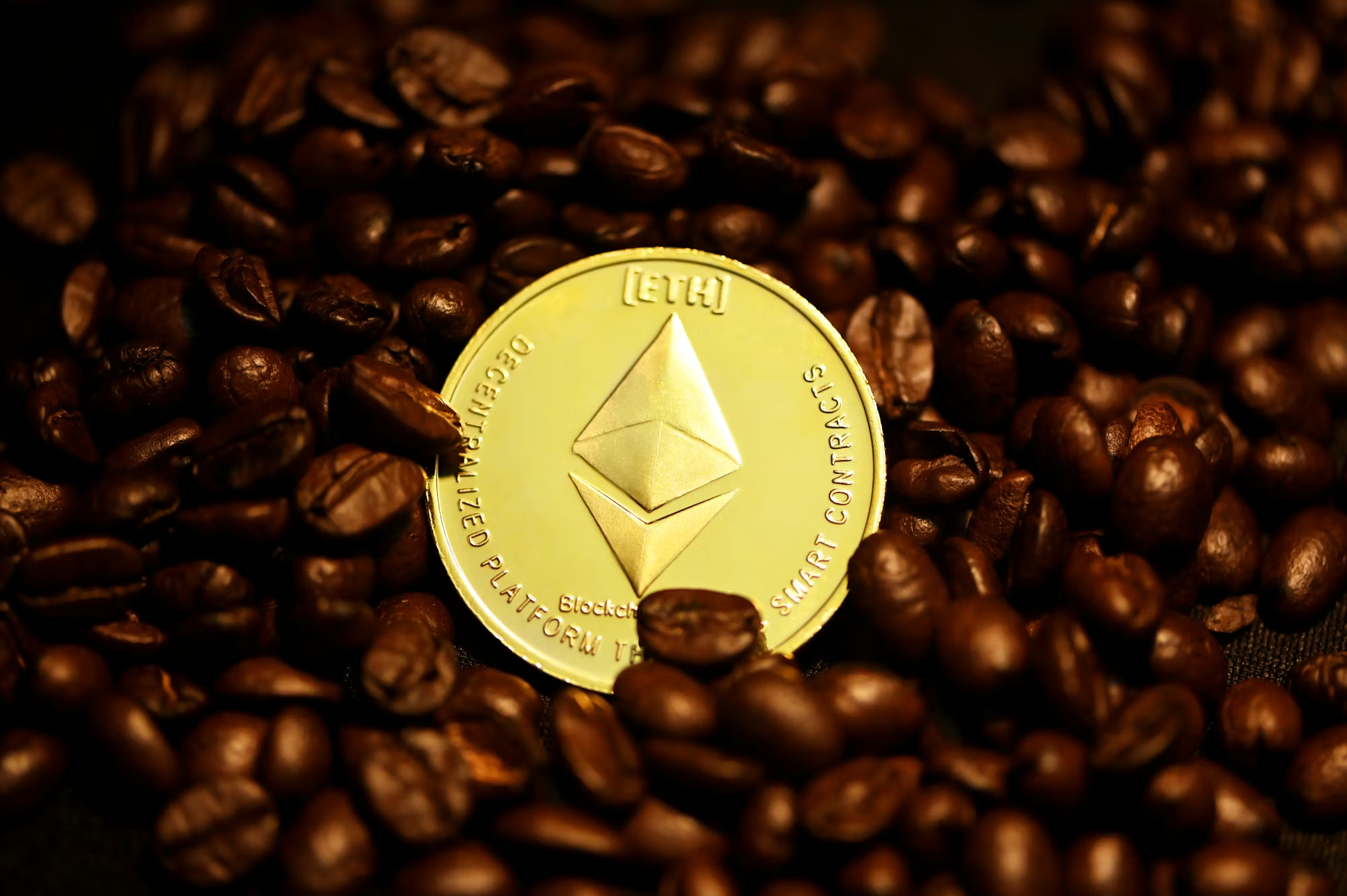
Cryptocurrency started as a niche interest, primarily associated with Bitcoin, but it has grown into a multifaceted ecosystem that now encompasses thousands of digital assets. Among these, Ethereum has emerged as a significant player, not just as a cryptocurrency but as a platform for building decentralized applications (dApps). This shift from mere currency to a robust platform for innovation marks a pivotal moment in the evolution of digital assets. Developers are increasingly leveraging Ethereum’s smart contract functionality to create complex financial products and services, laying the groundwork for decentralized finance (DeFi).
DeFi is arguably one of the most transformative trends in the cryptocurrency space. It encompasses a range of financial services offered through decentralized platforms, eliminating the need for traditional intermediaries like banks. By using blockchain technology, DeFi enables users to lend, borrow, trade, and earn interest on their crypto assets without relying on centralized institutions. This democratization of finance opens up new opportunities for individuals worldwide, particularly those underserved by traditional banking systems.
One of the most exciting aspects of DeFi is its potential for innovation. New protocols and platforms are emerging rapidly, each offering unique features and services. For instance, decentralized exchanges (DEXs) allow users to trade cryptocurrencies directly with one another, without the need for a central authority. This peer-to-peer trading model not only enhances privacy and security but also fosters a more open and competitive market environment. As more users engage with DEXs, the liquidity and efficiency of cryptocurrency trading are likely to improve significantly.
In addition to trading, DeFi platforms often incorporate yield farming and liquidity mining, incentivizing users to provide liquidity to various pools in exchange for rewards. These mechanisms attract a growing number of participants, as users seek to maximize their returns on investment. However, while the potential rewards can be enticing, they also come with risks. Investors must carefully assess the platforms they engage with, considering factors like smart contract security and the overall reputation of the project. Education around these concepts is essential to navigate the complexities of DeFi effectively.
Another significant trend in the cryptocurrency space is the rise of stablecoins. These digital currencies are designed to maintain a stable value by pegging them to traditional assets, such as fiat currencies or commodities. Stablecoins bridge the gap between the volatile nature of cryptocurrencies and the stability of traditional currencies, making them increasingly popular for both individuals and businesses. They facilitate smoother transactions and offer a reliable store of value in the crypto ecosystem.
As more businesses begin to accept stablecoins for transactions, their use cases are expanding. For example, companies can utilize stablecoins for cross-border payments, enabling faster and cheaper transactions compared to traditional banking methods. Additionally, stablecoins are often used in DeFi applications, serving as a medium for trading and liquidity provision. This versatility highlights the growing importance of stablecoins in shaping the future of digital finance.
The integration of blockchain technology into various sectors is another trend worth noting. Beyond finance, industries such as supply chain management, healthcare, and entertainment are beginning to explore the potential applications of blockchain. This cross-industry collaboration opens up opportunities for innovation and efficiency, showcasing the versatility of blockchain technology beyond just cryptocurrencies. For instance, in supply chain management, blockchain can enhance transparency and traceability, allowing consumers to verify the origin of products and ensuring ethical sourcing practices.
Moreover, non-fungible tokens (NFTs) have gained significant attention, revolutionizing the way we think about ownership and value in the digital realm. NFTs are unique digital assets that represent ownership of specific items or pieces of content, whether it be art, music, or virtual real estate. The rise of NFTs has created new avenues for creators to monetize their work while providing buyers with verifiable ownership of digital items. As this market continues to expand, it will be interesting to see how NFTs intersect with other industries and impact consumer behavior.
Despite the excitement surrounding these trends, challenges remain that could impact the future of cryptocurrency. Regulatory uncertainty is a prominent concern, as governments grapple with how to approach digital currencies. Clear and consistent regulations will be essential to foster a secure and trustworthy environment for cryptocurrency transactions. Striking a balance between innovation and regulation is crucial for the sustainable growth of the industry.
Security is another critical issue. While blockchain technology is inherently secure, the platforms and exchanges that facilitate cryptocurrency transactions can be vulnerable to hacking and fraud. Users must prioritize security measures, such as using hardware wallets and enabling two-factor authentication, to protect their assets. Education on security best practices is vital to instill confidence among users and promote safe engagement with cryptocurrencies.
Looking ahead, the future of cryptocurrency appears bright, with continued innovation on the horizon. As technology advances and consumer interest grows, we can expect to see further developments in areas such as privacy coins, interoperability between different blockchains, and improved user experiences. These innovations will likely drive mainstream adoption, allowing cryptocurrencies to become an integral part of our daily lives.
In conclusion, the landscape of cryptocurrency is rapidly evolving, shaped by trends such as DeFi, stablecoins, and blockchain integration across various industries. As digital currencies continue to gain acceptance and usability, they promise to redefine the financial landscape and consumer behavior. While challenges such as regulatory uncertainty and security concerns persist, ongoing innovation and education will be key to unlocking the full potential of cryptocurrencies. The future is bright for digital assets, and as we embrace these changes, the possibilities are limitless.